Categories
Auto Parts

How To Find Your Transmission Or Engine Code Before You Order A Used Part

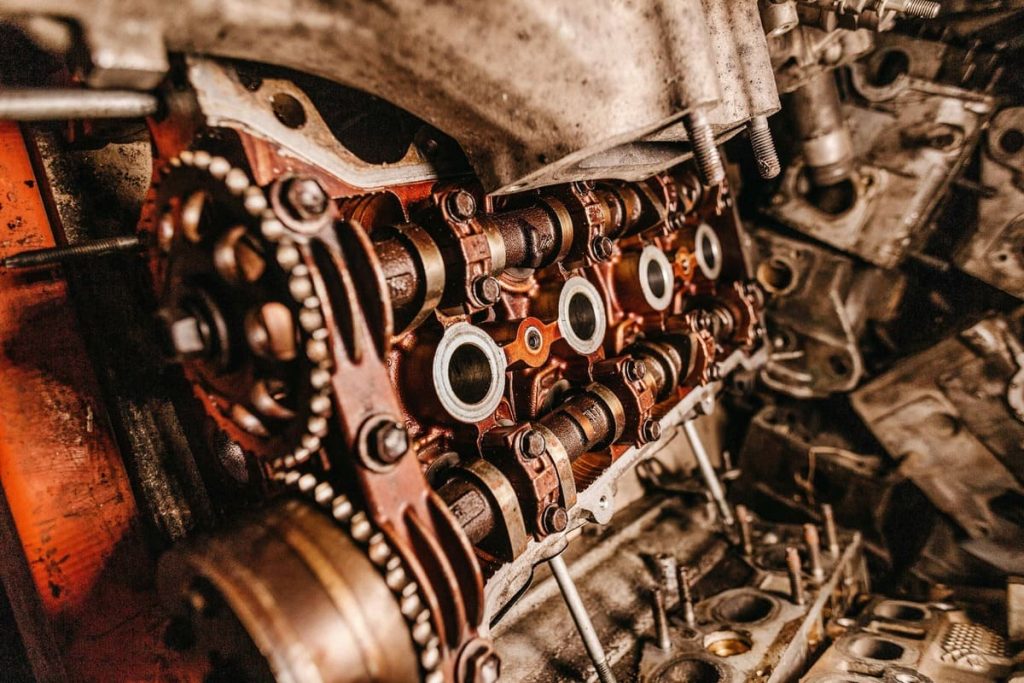
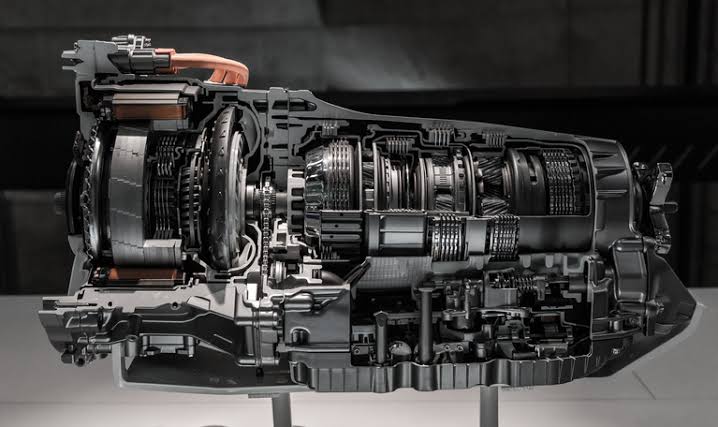
Your engine and your transmission each have a code, and that code, more than your car’s year, make and model, decides which used part will fit. You can find it in a few places: the VIN, the sticker on the driver’s door jamb, the label under the hood, or a stamp on the part itself. This guide goes through each one in order, so you can order a used engine or a used transmission once and get the right one.

Why the code matters more than the model name

Two cars with the same year, make and model can leave the factory with different engines and different transmissions. A 2014 Honda Accord, for instance, was sold with a four-cylinder and a V6, and the transmissions behind them were not the same. Even within one engine size, manufacturers change parts partway through a production year: a new sensor, a different wiring connector, a revised oil pan. The badge on the trunk doesn’t tell you any of that. The code does.

That’s why a parts seller who asks for your year and model will usually follow up with “what engine, what transmission, and is it front-wheel or all-wheel drive?” It isn’t a trick question. They’re trying to keep you from buying a unit that looks right and doesn’t fit.

The cost of a wrong guess is real. A used engine or transmission is heavy, so shipping it twice adds up. Your mechanic may already have the car on the lift. And every day the car waits is another day you’re without it. Spending ten minutes to find the right code before you order is the cheapest way to avoid all of that.

If you’re still deciding between a used, rebuilt or remanufactured unit, our guide to used vs. rebuilt vs. remanufactured transmissions covers the trade-offs. Once you’ve picked, the steps below will help you pin down the exact part.
Step 1: Start with your VIN

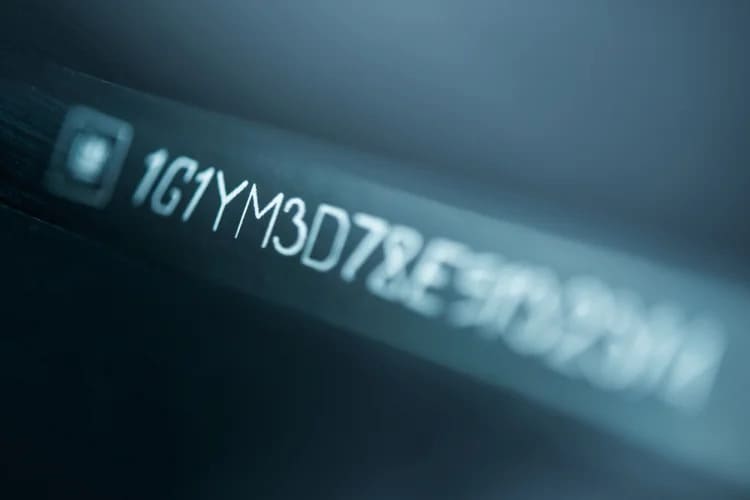
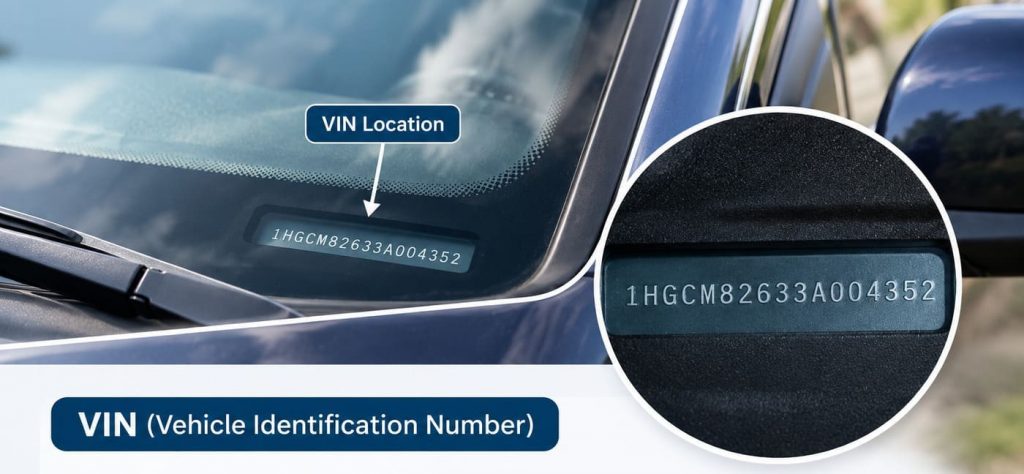
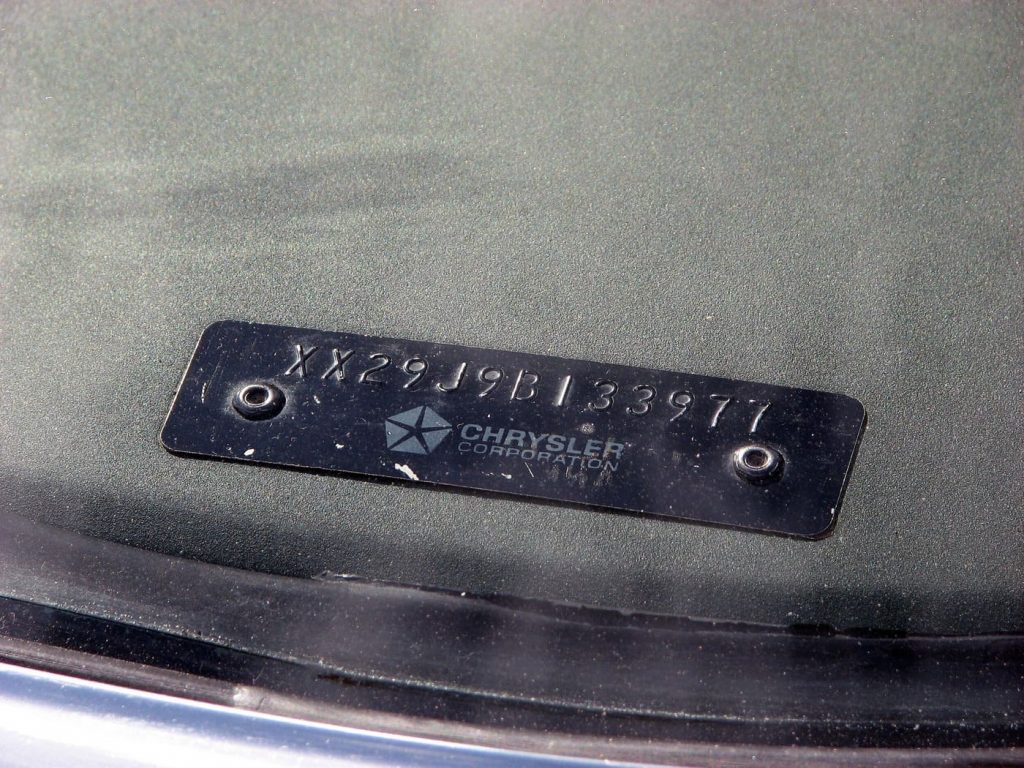
The vehicle identification number is the first thing any parts seller will ask for, and it’s the easiest to find. It’s a 17-character code of letters and numbers (the letters I, O and Q are never used). You’ll find it in a few places:

– At the bottom of the windshield on the driver’s side, readable from outside the car

– On the sticker inside the driver’s door frame

– On your registration, insurance card or title

A few positions in the VIN matter for parts. The tenth character is the model year, and the eleventh is the assembly plant. On many vehicles sold in the US and Canada, the eighth character identifies the engine. That character is a single letter or digit that points to a description like “V6, 3.5 liters.” It isn’t the same as the full engine code stamped on the block, but it gets you close, and it’s often enough for a seller to start a search.

What the VIN usually doesn’t tell you is the transmission. Most VINs don’t carry that information, so you’ll need to look elsewhere for it. The next steps cover where.

To turn a VIN into a readable list of specs, use a free VIN decoder. The one run by the US National Highway Traffic Safety Administration is a common choice. Decoders built around US data sometimes show less detail for Canadian-market vehicles, so treat the result as a starting point and not the final answer.

One small habit saves a lot of trouble: take a photo of the VIN instead of typing it from memory. A single wrong character sends a lookup to a different vehicle entirely.

Step 2: Check the sticker on the driver’s door jamb

Open the driver’s door and look at the frame where the door latches. You’ll see a label, usually white or silver, called the safety certification label. It carries the VIN, the weight rating, the recommended tire pressure, and the month and year the vehicle was built.

That build date matters more than you’d expect. If the sticker says 09/14, the car was built in September 2014, and that can decide which version of a part you need when the manufacturer made a change during the model year. Sellers ask for it for exactly that reason.

On some makes the label goes further. Ford labels, for example, include a TR field for the transmission code and an AX field for the axle ratio. If you drive a Ford, read those two entries carefully and include them when you ask for a quote.

Many GM vehicles also have a separate Service Parts Identification label, often in the glove box or the spare tire area. It lists three-character RPO codes that cover the engine, the transmission and the options. The codes look like a jumble, but a parts specialist can read them quickly, so photograph the whole label instead of picking out what you think matters.

If the door jamb sticker is faded, scuffed or missing, move on to the next step. That’s common on older cars, and on any car where the driver’s door was replaced after a collision.

Step 3: Look for the label under the hood

Pop the hood and check its underside first, then the radiator support (the metal frame at the front of the engine bay) and the fan shroud. Most vehicles carry a vehicle emission control information label in one of those spots. It’s a printed sticker that lists the engine’s displacement, such as 2.5L or 3.5L, the emissions standard the car meets, and an engine family code.

The engine family isn’t the same as the engine code, but it narrows things down, and many sellers can match it to the right engine. The displacement is the single most useful line on the label, because a 2.4 and a 3.5 are completely different engines.

Some vehicles were sold as California-emissions models and others as federal, or 49-state, models. The label usually says which one, and a seller may need to know when matching an engine.

Two cautions. First, the name printed on the engine cover, like “EcoBoost” or a similar marketing name, usually describes a whole family of engines and not one specific unit. Second, these labels fade and peel, and the hood insulation they’re stuck to gets replaced after repairs. If yours is gone or half unreadable, take a photo of whatever you can still read. Even a partial label helps.

Step 4: Read the stamp on the engine or transmission itself

When the stickers and paperwork don’t give you a clear answer, the part itself usually does. Manufacturers stamp or label both the engine and the transmission at the factory.

For the engine, the code is usually stamped into the block on a flat machined pad. Common spots are near the transmission bellhousing, on the side of the block close to the oil filter, and on the front near the timing cover. Bring a flashlight and a rag to wipe off the grime, and use a small mirror or your phone camera for tight spots. Codes come in different formats: K24 on some Hondas, 2AR-FE on some Toyotas, and so on.

For the transmission, the ID is usually on a metal tag or sticker on the case, or stamped into it. Many of these sit low on the case or on the bellhousing side, so a transmission is harder to read than an engine. Codes look like 6F35 (Ford), 6L80 (GM) or U660E (Toyota).

Do this with the engine off and cool. Don’t get under the car unless it’s on a proper lift or sturdy jack stands, and never rely on a jack alone. If crawling under the car isn’t practical, hand this part to your mechanic. Ask them to photograph the tag while the car is up, or when the old unit comes out. That photo is the best thing you can send a parts seller.

You may also notice numbers cast into the metal of the case or block. Those are casting numbers. They identify the housing, not the complete unit, and they aren’t the same as the engine or transmission code, so use them only if a parts specialist asks.

Other details that decide whether a part fits

The code gets you most of the way there. A few other facts can still change which unit is right, so gather them while you’re already looking:

  1. The build date from the door jamb sticker
  2. The drivetrain: front-wheel drive, rear-wheel drive, all-wheel drive or four-wheel drive
  3. The engine size, and whether it’s turbocharged
  4. The transmission type: automatic, manual, CVT or dual-clutch
  5. The trim level and any special packages, such as towing or hybrid
  6. Whether the car was sold new in the US or in Canada, since equipment can differ
  7. Whether the engine or transmission has ever been replaced

Drivetrain deserves a second look. An all-wheel-drive model can use a different version of what looks like the same transmission, and a seller can’t tell from a photo of the car which one you have.

You don’t need a perfect set. Most people find three or four of these in a few minutes, and that’s usually enough for a parts specialist to get started. The rest can be confirmed on the phone.
Quick reference: where to look

Here’s the whole search on one page. Save it to your phone before you head out to the car.

What to findWhere to lookWhat it tells you
VINBase of the windshield, driver’s door frame, registration, insurance card, titleModel year, assembly plant, and on many vehicles the engine
Door jamb labelInside the driver’s door frameBuild date, and on some makes the transmission and axle codes
Service parts label (many GM vehicles)Glove box or spare tire areaRPO codes for the engine, transmission and options
Emission control labelUnderside of the hood, radiator support or fan shroudEngine displacement, engine family, California or federal emissions
Engine block stampMachined pad near the bellhousing, oil filter or timing coverThe engine code
Transmission tagMetal tag, sticker or stamp on the transmission caseThe transmission model
Original window sticker, owner’s manual, service recordsGlove box or your filesEngine and transmission in plain words, sometimes part numbers

What to do if the tag is missing or unreadable

This happens a lot, especially on older cars, cars that have had collision repairs, and vehicles that spent years on salted winter roads. You still have options.

  1. Call a dealership parts counter with your VIN. They can usually look up the engine and transmission the car was built with.
  2. Go through your paperwork. The original window sticker, service records, repair invoices and the owner’s manual often name the engine and transmission in plain words. An invoice for a past replacement may also list the part number.
  3. Ask your mechanic. When the old engine or transmission comes out, a photo of its tag takes a few seconds.
  4. Find out if anything was swapped. If a previous owner replaced the engine or transmission, the VIN describes what the factory installed, not what’s in the car now. This is one of the most common reasons a part that should have fit doesn’t.
  5. Send us what you have. A VIN, the year, make and model, and a few photos are often enough for our team to narrow it down. Reach us through our contact page or call 1800 608 3868.

How BackToRoad Auto Parts helps you get the right part

At BackToRoad Auto Parts, matching the part to the car is most of the job. We supply used OEM parts to customers across the USA and Canada, and our parts locator connects you with a network of certified recyclers. That lets us search for the exact engine, transmission or other component your car needs, not a close guess. The parts we sell are tested and graded recycled OEM parts, the same kind of component your car left the factory with.

Here’s an easy way to get started:

  1. Collect your VIN, your year, make and model, and whatever you found in the steps above.
  2. Visit our parts page or call us at 1800 608 3868.
  3. Tell us what you found and what you couldn’t find. Missing codes aren’t a problem for our team, and plenty of customers start with only a VIN.
  4. Before you order, read our warranty and shipping and handling pages so you know what to expect. Our FAQ answers the most common questions.

We would rather spend a few extra minutes confirming your details than see you pay for a part that doesn’t fit.

If you already know what you’re shopping for, you can go straight to the page for your make: Honda, Toyota, Ford, Chevrolet, Nissan, Hyundai, Jeep, Dodge or Subaru. And if a symptom is what sent you here, our post on a CR-V shuddering between 15 and 40 mph shows how to tell when a used transmission is the fix.
Categories
Auto Parts Transmission

Used vs. Rebuilt vs. Remanufactured Transmission: Which One Is Right For You?

If your mechanic just told you the transmission is finished, the conversation that follows usually moves fast. You hear a price, you hear three words that sound almost identical, and you’re expected to pick one. Used, rebuilt, remanufactured. Which one won’t you regret?

The honest answer is that no single option wins every time. A low-mileage used OEM transmission can be the best money you ever spend on an eight-year-old commuter. That same unit might be the wrong call in a truck that tows a trailer every weekend. What matters is the car, the budget, and how long you plan to keep driving it.

This guide explains what each term really means, what you get for your money, and how to decide. We run a parts locator tied into a nationwide network of certified recyclers, so all three options come up in our conversations with customers every week. We’ll tell you where each one tends to make sense and where it doesn’t.

The short version

– A used transmission is a complete, original-equipment unit taken from another vehicle and sold without being opened up. It costs the least and usually has the shortest warranty.

– A rebuilt transmission has been taken apart, had its worn or broken parts replaced, and been put back together. Price and quality land in the middle, and they depend a lot on who did the work.

– A remanufactured transmission has been stripped down completely and brought back to a defined standard, with wear parts replaced and known weak points updated. It costs the most and usually comes with the strongest warranty.

The details below are where the real decision gets made.

What is a used transmission?

A used transmission, sometimes called a recycled or OEM used transmission, is a complete unit pulled out of a donor vehicle. The donor is often a car that was written off after a collision, or retired for reasons that had nothing to do with its drivetrain. The transmission gets inspected, drained and checked, and then sold as it came out. Nobody opens up the inside.

OEM stands for original equipment manufacturer. In plain terms, it’s the same part the carmaker fitted at the factory for your model, not an aftermarket copy built to look similar.

People choose used transmissions for three practical reasons: the price, the exact factory fit, and mileage. It’s common for a donor car to have far fewer miles than the vehicle receiving the transmission. Say your sedan has 190,000 miles and the replacement unit comes from a donor with 65,000. You’ve effectively reset a big chunk of the wear.

The tradeoff is uncertainty. Since the unit isn’t opened up, you’re relying on the donor’s mileage, the seller’s testing and the seller’s reputation. Warranties are generally shorter than on the other two options. That’s why where the transmission comes from matters more than the word ‘used’ itself. A unit from a certified recycler with documented mileage is a very different purchase from one a stranger pulled out of a car in a field.

If you’re searching for a used transmission with warranty, that’s the right instinct. Ask what the warranty covers before you pay, not after.

What is a rebuilt transmission?

A rebuilt transmission is one that has been removed, disassembled, inspected and put back together with the damaged or worn components replaced. Seals and gaskets are normally renewed. Beyond that, it depends on what the person doing the work found and decided to fix.

Rebuilding is often done by a local transmission shop on the unit that came out of your car, so you get your own transmission back. Some suppliers also sell rebuilt units ready to install.

When the failure is isolated, say a burned clutch pack or a failed solenoid, a good rebuild can be a sensible way to go. A shop that sees the same model often will know its common weak spots and address them.

The catch is that ‘rebuilt’ has no universal definition. One shop replaces every clutch and steel plate. Another swaps only what looks bad and leaves the rest. Both will write ‘rebuilt’ on the invoice. Two quotes can describe very different jobs at very different prices, so ask for an itemized list of what’s being replaced. If a shop can’t give you one, treat that as information.

What is a remanufactured transmission?

Remanufacturing follows a more structured process, usually in a dedicated facility rather than a general repair bay. The transmission is taken down to individual components and cleaned. Each part is measured against factory specifications. Wear items such as seals, gaskets, clutches, bands and friction plates are replaced whether or not they look worn, and anything that fails inspection is replaced too. Many remanufacturers also fix known design problems with updated parts. Finally, the finished unit is tested before it ships.

The result is consistency. You’re buying a unit built to a standard, not one shaped by a single technician’s judgment call, and the warranty tends to reflect that confidence.

The downsides are cost and logistics. Remanufactured units are the most expensive of the three. Many come with a core charge, which is a deposit you get back when you return your old transmission. Availability can also be limited for older or less common models, and for some newer designs such as certain CVTs.

Rebuilt vs. remanufactured transmission: what’s the real difference?

Here’s the simplest way to put it. A rebuild replaces what’s broken. A remanufacture replaces what wears out, and corrects known flaws, to a set specification.

In practice the two terms get used loosely, and neither is tightly regulated, so don’t rely on the label alone. Compare the paperwork instead. Four questions sort out most of it:

– Which parts were replaced, and can you see the list?

– Was the torque converter replaced, reconditioned or reused?

– Were any known design weaknesses updated?

– Does the warranty cover labor, or only the part?

A remanufactured unit from a reputable supplier will usually answer all four clearly. A rebuilt unit from a good local shop sometimes will too. A vague answer to any of them is a reason to keep shopping.

Used vs. rebuilt vs. remanufactured transmission cost

Pricing swings widely by vehicle, region and currency, so treat the following as a direction, not a quote. These ranges are for a typical car or crossover. Heavy-duty trucks, diesels and luxury or performance models run higher.

– Used OEM transmission: usually the lowest price, often from several hundred dollars to a couple of thousand.

– Rebuilt or remanufactured transmission: commonly double that or more, with many units landing somewhere between two and four thousand dollars or higher.

– Installation labor: often several hundred to over a thousand dollars, and broadly similar whichever type you choose.

That last point shapes the whole decision. Because labor costs about the same for all three, the real price difference between them is the part itself. And if the unit fails early and the warranty doesn’t cover labor, you pay for the installation a second time. A cheaper transmission with weak warranty terms can end up costing more than a pricier one with better coverage. That’s why any quote you compare should include labor and warranty terms, not just the part price.

Warranty: where the three really separate

Warranty length varies by seller, so read the actual terms. As a general pattern:

– Used transmissions often carry coverage from around 30 days up to a year, sometimes longer from certain suppliers.

– Rebuilt transmissions commonly come with one to three years.

– Remanufactured transmissions often come with two to three years or more, and some suppliers go beyond that.

Length is only half of it. Check whether the warranty covers parts only or parts and labor, whether it’s honored by any licensed shop or only specific ones, what maintenance records you need to keep (many require proof of a fluid and filter service or a cooler flush), and whether it transfers to the next owner. A warranty that pays for the part but not the labor is worth far less than it looks, since labor is the most expensive part of doing the job twice.

So which one is right for you?

Here are the situations we see most often, and how we’d think about each.

An older daily driver worth a few thousand dollars. A low-mileage used OEM transmission is usually the smartest spend. Putting a four-thousand-dollar remanufactured unit into a car worth four thousand rarely adds up, and a used unit with solid mileage will often carry you for years.

A car you plan to keep for five more years or longer. This is where remanufactured earns its price. You’re paying for fresh wear parts and a longer warranty on a vehicle you’ll still be driving long after a short used-unit warranty has run out.

A truck or SUV that tows or hauls. Hard use exposes weak points quickly. A remanufactured unit with updated parts is usually the safer bet here, though a verified low-mileage used unit can work if its history is documented.

A vehicle you’re about to sell. If you only need it to shift properly for another year or two, used is typically enough. Buyers care that the car drives well, not what’s inside the case.

A model with a known transmission weakness. A plain used unit of the same design can carry the same flaw. Ask whether the design was revised, whether a later-year unit is compatible, or whether a remanufactured version includes the fix. Some Nissan CVTs and Ford PowerShift units are well-known examples where this question matters.

A CVT or dual-clutch transmission. Options are narrower. Fewer shops rebuild them, and the supply of remanufactured units varies by model, so a quality used unit from a recycler is often the practical route. Verify the mileage and ask how it was tested.

If we had to give one rule, it would be this. For most vehicles older than eight to ten years, a low-mileage used OEM transmission from a reputable source gives the best value. For vehicles you’ll keep a long time or work hard, step up to remanufactured.

Questions to ask before you buy any transmission

Whichever type you choose, a few questions protect you:

– What’s the mileage on the donor vehicle, and is there documentation?

– Does the transmission code match mine, not just the year, make and model?

– How was it tested?

– What exactly does the warranty cover, and for how long?

– What’s the return policy if it doesn’t fit?

– Is there a core charge, and what are the return terms?

– What do shipping and freight cost, and where will it be delivered?

On fit, year, make and model aren’t enough. The engine, drivetrain (2WD, 4WD or AWD), gear ratio and mid-year production changes can all decide whether a transmission works in your car. Give the seller your VIN and let them confirm the match. That one step prevents a lot of returns.

Don’t skip the work around the transmission

The transmission is only part of the job. When one fails, it often sheds metal and friction material that circulate through the cooler and lines. If that debris isn’t cleared, it can damage the new unit within weeks. A good installation usually includes:

– Flushing or replacing the transmission cooler and lines

– Fresh fluid and a new filter

– A new or reconditioned torque converter where applicable

– A check of mounts and connectors

Any computer programming or adaptive relearn procedure your vehicle needs after a swap

Skipping these steps is one of the most common reasons a replacement transmission fails early, and some warranties won’t cover a failure if they were skipped. Ask your installer to put them in writing.

Categories
Auto Parts Transmission

CR-V shuddering between 15 and 40 mph? What it means and when a used transmission is the fix

You’re merging onto the highway, easing through 20 or 30 mph, and the CR-V starts to shake. Not a pothole jolt. A low, rhythmic vibration that feels like driving over rumble strips, then it smooths out once you’re past 40. If that sounds familiar, you’re not imagining it, and you’re not alone. It’s one of the most reported complaints from Honda CR-V owners, and it almost always points to the same part: the continuously variable transmission, or CVT.

This guide walks through why the shudder happens, which CR-V years are most affected, how to tell whether it’s something a fluid change can fix or a sign the transmission is wearing out, and what to look for if a used transmission ends up being the right call. If you already know that’s where this is headed, you can head straight to our used Honda CR-V transmission page, search your CR-V’s year, make, and model in our parts locator tool, and skip ahead to what a properly verified used transmission should include.

Why the CR-V’s CVT shudders at highway-adjacent speeds

A CVT doesn’t shift between fixed gears the way a traditional automatic does. Instead, a belt or chain runs between two pulleys that continuously change diameter, so the ratio between engine speed and wheel speed adjusts smoothly rather than in steps. On paper, that means fewer moving parts to fail and a smoother ride. In practice, the CR-V’s CVT relies on a torque converter and a start clutch assembly to manage low-speed engagement, and that’s where the shudder tends to originate.

The vibration shows up most often between 15 and 40 mph because that’s the range where the torque converter is transitioning between slipping and locking up, and where the start clutch is doing the most work managing engine load. Degraded CVT fluid loses its ability to keep those components cool and properly lubricated, which lets friction surfaces grab unevenly. A worn start clutch does something similar, engaging in small stutters instead of one smooth motion. Either way, the result feels the same from the driver’s seat: a shake that comes and goes with speed and throttle position.

Fifth-generation CR-Vs, built for the 2017 through 2022 model years, are the ones most commonly flagged for this issue. Honda issued more than one technical service bulletin covering CVT shudder and software calibration during that stretch, and some owners with 2017 and 2018 models also report a related complaint: oil dilution in the 1.5T turbo engine, where gasoline seeps into the engine oil during cold starts and short trips. That’s a separate problem from the transmission, but it tends to surface around the same mileage and can complicate diagnosis if a shop isn’t looking at both systems.

The symptoms that usually travel together

CVT shudder rarely shows up alone. Owners typically describe a cluster of related symptoms:

– A vibration or shaking feeling between 15 and 40 mph, most noticeable under light acceleration

– Hesitation or a brief pause before the CR-V responds to the gas pedal

– “Rubberbanding,” where the engine revs seem disconnected from actual acceleration

– A blinking D indicator on the dashboard, which usually means the transmission control module has detected a fault

– The transmission entering limp mode, where it locks into a single gear ratio to protect itself from further damage

– A check engine light paired with codes like P0730 (incorrect gear ratio), P0740 (torque converter clutch circuit), or P0741 (torque converter clutch stuck off)

Not every CR-V with shudder will show all of these. Catching it early, when it’s just an occasional vibration at a specific speed, gives you more options than waiting until the transmission is already defaulting to limp mode on the highway.

Is it the fluid, a software issue, or the transmission itself

Before assuming the worst, it’s worth walking through the diagnostic order most technicians follow.

The first and cheapest possibility is fluid condition. CVT fluid isn’t interchangeable with standard automatic transmission fluid, and using the wrong type or letting it go too long between services accelerates wear on the belt, pulleys, and start clutch. A fluid flush with Honda’s specified CVT fluid resolves shudder in some cases, particularly on CR-Vs that are otherwise low mileage and haven’t had regular maintenance.

The second possibility is a software calibration issue in the transmission control module. Honda addressed some 2019 and 2020 model year shudder complaints through a TSB that updates the CVT’s shift mapping. If your CR-V falls in the affected range and hasn’t had this update applied, it’s worth asking your dealer or independent shop to check before assuming hardware failure.

The third possibility, and the one that points toward replacement, is mechanical wear inside the transmission itself. Worn start clutch components, a failing torque converter, or damage to the belt and pulley assembly don’t get fixed by a fluid change or a software flash. If the shudder persists after fresh fluid and an updated TCM calibration, or if it’s already progressed to limp mode, you’re likely looking at internal wear that only a rebuild or replacement addresses.

When repair makes sense, and when a used transmission is the smarter move

A fluid flush and TCM update are worth trying first if your CR-V is showing early, intermittent shudder and has a documented maintenance history. They’re inexpensive relative to the alternative, and there’s a real chance they solve the problem outright.

Once the transmission has confirmed internal wear, though, the cost math shifts. Rebuilding a CVT internally is labor-intensive work that many independent shops won’t take on, since it requires specialized tools and Honda-specific procedures. A new CVT from Honda comes at a steep premium over almost any other option. Between those two extremes sits a used transmission pulled from a comparable CR-V, tested for function, and matched to your exact configuration. For a lot of owners weighing the cost of a new CVT against the value of the car itself, especially on a CR-V that’s otherwise in good shape, a verified used transmission is the option that makes financial sense without gambling on an unknown part.

What to look for in a used CR-V transmission

Not every used CR-V transmission is interchangeable with yours, even within the same generation. A few things matter more than people expect:

Engine and drivetrain match. The CVT paired with the 1.5T turbo engine is not the same unit used with the 2.4L naturally aspirated engine, and front-wheel-drive CR-Vs use a different transmission than all-wheel-drive models. Buying based on model year alone, without confirming these details, is how the wrong part ends up on your doorstep.

Verified mileage and history. A transmission pulled from a low-mileage donor vehicle with a clean history is a better bet than one with an unknown past, especially since CVT wear is closely tied to fluid maintenance the previous owner may or may not have kept up with.

Pre-installation testing. Ask whether the unit was inspected or function-tested before it was pulled, not just visually checked. A transmission that looks clean on the outside can still have internal wear that only shows up under load.

A clear, plainly stated warranty. You want a straight answer on what’s covered and for how long, not vague language you have to interpret after something goes wrong.

How BackToRoad verifies a used CR-V transmission before it ships

This is where our process is built around the exact concerns above. Start by entering your CR-V’s year, make, model, and the part you need into our parts locator tool, along with your VIN if you have it handy. The VIN lets us confirm the exact engine and drivetrain pairing for your vehicle, so you’re not left guessing whether a listed transmission actually fits.

From there, every used transmission we source goes through a 24-hour pre-shipment inspection before it leaves for your address. That inspection covers the things a listing photo can’t show: fluid condition, physical wear on accessible components, and confirmation that the unit matches the fitment data tied to your VIN. If a part doesn’t hold up to that check, it doesn’t get shipped.

We work as a locator connected to a nationwide network of certified recyclers, and we also carry parts directly in inspected inventory, so depending on what’s available for your specific CR-V, you might be getting a part that’s already on hand or one our network locates for you. Either way, the vetting process is the same. If it turns out your CR-V needs a different part instead, our Honda CR-V parts page covers everything else we source for the model. If you’d rather talk through your options with a person before ordering, our parts specialists are available at 1-800-608-3868, and we ship to addresses across the US and Canada.

Every transmission we sell comes with a standard 30-day warranty. If something’s wrong with the part, you’re covered.

Getting your CR-V back on the road

A shuddering CVT doesn’t have to mean an expensive trip to the dealer or a leap of faith on an unverified part. Start with the basics, fluid condition and any outstanding software updates, and if the transmission itself turns out to be the problem, search your CR-V in our parts locator tool or call 1-800-608-3868 to talk to a parts specialist about a verified used transmission that actually fits your vehicle.

Categories
Auto Parts General

Why Used OEM Parts Are the Smarter Choice for Your Car (And Your Wallet)

Let’s be honest. Nobody wakes up excited about spending money on car repairs. It’s one of those things you deal with because you have to, not because you want to. And when your mechanic hands you a quote that makes your stomach drop, the first thing most people do is start looking for ways to bring that number down.

That’s usually where the debate between new OEM parts, aftermarket parts, and used OEM parts comes in. A lot of drivers don’t know much about the difference, and plenty of people get talked into choices that cost them more in the long run. So let’s break this down in plain language, because it matters more than most people realize.

What Does OEM Actually Mean?

OEM stands for Original Equipment Manufacturer. When you buy an OEM part, you’re getting the exact same part that came with your car when it rolled off the assembly line. It was made to fit your vehicle perfectly, engineered to the same specifications, and tested to work with all the other components in your car.

Aftermarket parts, on the other hand, are made by third-party companies trying to replicate those specs. Sometimes they get close. Sometimes they don’t. And the problem is, you won’t always know which one you’re getting until something goes wrong.

New OEM parts are as good as it gets, but they carry a serious price tag. Ordering a replacement part directly from a dealership can cost two to three times more than other options. For many repairs, that’s just not practical.

Used OEM Parts: The Option Most People Overlook

Here’s where it gets interesting. When a car gets totaled in an accident, stolen and recovered, or simply retired from service, a huge number of its parts are still in perfectly good working condition. Those parts get pulled, inspected, and resold. That’s the used OEM market, and it’s bigger and more reliable than most drivers expect.

The part you’re buying was made by the original manufacturer. It was built to fit your exact vehicle. It has a track record of real-world use. And it costs a fraction of what you’d pay at a dealership.

For common repairs on popular makes, the savings are significant. If you drive a Ford F-150 or a Mustang and you need a replacement engine component, transmission part, or body panel, shopping for OEM used Ford parts can save you hundreds of dollars compared to buying new. The part came from the same production line as the original. The only difference is that it’s been in use before, and it’s been checked to make sure it’s still in solid condition.

The same story plays out for GM vehicles. Chevy trucks and SUVs are some of the most popular vehicles on American roads, which also means there’s a healthy supply of quality recycled components available. When you need a specific part for a Silverado or a Tahoe, finding OEM used Chevy parts from a reputable source means you’re still getting a genuine General Motors component, just at a price that makes sense for your budget.

Japanese vehicles like Hondas hold their value well, and their parts are no different. The Civic, Accord, CR-V, and Pilot are all incredibly popular across the US and Canada, which means there’s a consistent supply of quality used components available. If you drive one of these vehicles and need a replacement part, looking into OEM used Honda parts is worth your time before you head to a dealership and pay retail prices.

The Problem With Cheap Aftermarket Parts

It’s worth taking a minute to talk about why going the cheap aftermarket route can backfire. These parts are often made with lower-grade materials. The tolerances may be slightly off, which creates wear on surrounding components over time. Seals don’t always seat properly. Sensors can give inaccurate readings. Electronics may not communicate correctly with your car’s computer.

None of this shows up right away. The part fits, the car runs, and you think you saved money. Then six months later something else starts going wrong, and your mechanic has to trace it back to that cheap part you bought online. Now you’re paying twice.

With a used OEM part, you’re working with something that was engineered for your car and has already proven it can handle real driving conditions. That’s a meaningful difference.

What to Look for When Buying Used OEM Parts

used car engine

Not all used parts are equal. This is where buying from a reputable source makes a real difference, and it’s worth knowing what separates a good supplier from one you should avoid.

The first thing to look for is a proper grading and inspection process. A good supplier will physically examine every part before it ever gets listed. That means checking for internal damage, not just wiping it down and taking a photo. A part can look completely fine on the outside and still be compromised internally, so you want someone with real expertise looking it over before it ships. At Back To Road Auto Parts, every part in our inventory goes through exactly that kind of inspection before it’s made available. Our auto parts specialists check both the internal and external condition, and only the parts that pass make it into stock.

Mileage matters too, especially for mechanical components like engines and transmissions. A used engine with 40,000 miles on it is a very different proposition from one with 140,000. Ask about mileage and verify it where possible before committing to a purchase.

Warranty coverage is another thing to pay close attention to. Reputable used parts suppliers back their inventory with some form of warranty. It doesn’t have to match a dealer warranty in length, but it should exist. If a supplier won’t offer any warranty at all, walk away. Every part we sell at Back To Road comes with hassle-free warranty protection, because we stand behind what we ship.

Finally, make sure the part is actually compatible with your specific vehicle. A part from the same make and model can still be the wrong fit if the year or trim level is different. The safest way to shop is to have your VIN handy and confirm compatibility before you buy. Our parts finder tool lets you search by year, make, model, and part name so you’re always looking at options that match your exact vehicle.

The Environmental Angle

This part doesn’t get talked about enough. When you buy a recycled OEM part, you’re keeping a functional component out of a landfill and reducing the demand for new manufacturing. Producing new auto parts requires raw materials, energy, and transportation. Recycled parts skip all of that.

If you care about reducing waste, buying used OEM parts is one of the most practical ways to do it as a car owner. You’re not sacrificing quality. You’re just being smart about where the part comes from.

How to Find the Right Part Without the Headache

In the past, tracking down a specific used OEM part meant calling junkyards one by one, hoping someone had what you needed in decent condition. That process could take days and still come up empty.

The good news is that the used parts market has changed a lot. The better online suppliers are connected to large networks of recyclers and warehouses across the country. You enter your vehicle info and the part you need, and the search pulls from thousands of sources at once. If the part exists somewhere in that network, you’ll find it.

At Back To Road Auto Parts, we’re connected to a nationwide network of auto recyclers, which means if we don’t have the part sitting in our own inventory, we can track it down for you. Every part goes through inspection before it ships, it comes backed with a warranty, and we offer free delivery straight to your door or directly to your mechanic, whichever is more convenient for you.

The next time your car needs a repair, don’t just default to the most expensive option or the cheapest one. Take a few minutes to look at what the used OEM market has available. The part is genuine. It fits correctly. It has a real history of working the way it’s supposed to. And it costs a fraction of what you’d pay new.

That’s not cutting corners. That’s just making a good decision.

If you want to search for a specific part, head over to our parts finder and plug in your year, make, model, and the part you need. Chances are good we either have it in stock or we can locate it for you.

Categories
Auto Parts General

Are Recycled OEM Parts Really Better Than Aftermarket Parts?

If you’re looking to buy a replacement auto part for your vehicle, you must have heard the terms OEM parts and aftermarket parts floating around, even if you are not sure what any of these actually mean. If so, you’re at the right place as here we’ll explain what OEM parts and aftermarket parts are and which one you should opt for while repairing your vehicle.  

genuine OEM parts vs Aftermarket parts

While a lot of people swear blindly by OEM parts and only use OEM parts in their vehicles, you don’t have to be clueless about this anymore. You can understand what it is about OEM parts that make them the preferred auto part rather than aftermarket parts and then make an informed decision for your vehicle. Read on to find out if your vehicle actually needs an OEM part or an aftermarket part, if an OEM part is worth the cost, and also about recycled OEM parts which will help you get your vehicle back in shape without having to spend a small fortune on replacement auto parts. 

What Are OEM Used Auto Parts?

OEM parts or Original Equipment Manufacturer parts are tailor-made by the car manufacturer for specific car makes and models. Since these parts are made by the original manufacturer of your vehicle, they’re usually the more preferred and reliable auto parts. Since they’re made specifically to fit the needs of your vehicle, they’ll be perfectly compatible with it and ensure a better lifespan for your vehicle.

However, since OEM parts are more expensive than aftermarket parts, insurance companies hesitate in using them. This is where OEM used auto parts come in. These OEM parts are salvaged from vehicles from salvage yards and junkyards. This means that the used OEM parts are available at a lower cost than brand-new OEM parts and yet they provide similar output to these new auto parts. 

Another advantage of these parts is that they go through a series of tests to verify their quality and safety. They are cleaned, maintained, and tested before being offered for sale to assure quality and integrity. This means that buyers can be certain of the quality of these parts when buying them.  

Pros & Cons of OEM Used Auto Parts

Pros

Covered by a warranty: Most manufacturers provide a one-year guarantee on their OEM parts. If not a year, almost all manufacturers and dealers will make sure to provide you with a warranty which means that you can go ahead with your purchase without any worry.

Better quality: The OEM part should perform just as well as the original auto part from your vehicle that you’re replacing. Since these are better quality, buying an OEM part will give you peace of mind due to its familiarity and performance.  

It is easier to choose the auto part you need: If you go to a dealership’s parts counter and ask for any part, you’ll almost always get one commonly accepted type. This means that you won’t have to bother about comparing and contrasting the quality of various brands and costs.

Good quality parts: Dealers who offer OEM used auto parts ensure that the parts are tested and verified to be in excellent condition before selling them. This means that sellers can rest assured that the OEM used auto parts will be high-quality parts that will enhance the longevity of the vehicle.

Cons

Practice caution when buying used parts: Used car parts might save your life, but you must be cautious while purchasing and check thoroughly that the used OEM part that you’re buying is in working condition before you buy it. You won’t get much use out of a second-hand auto part that doesn’t operate or doesn’t fit.

What Are Aftermarket Parts?

An aftermarket part is a part for a vehicle that has not been manufactured by the car’s manufacturer. Rather, aftermarket parts are mass-produced by a company other than your car manufacturer, to fit the specifications of several vehicles. Over the years, aftermarket components have grown in popularity and recognition as viable replacements for OEM parts.

Often, OEM parts are 60 percent more expensive than similar aftermarket parts. Due to this, aftermarket components are preferred by insurance companies and body shops for repairing automobiles after accidents since they are less expensive.

Aftermarket parts come in two types, namely cosmetic parts and structural parts. Cosmetic parts like the fenders, door skin, and trim can affect how a vehicle operates or appears, but they have no bearing on its safety in an accident. The structural parts on the other hand, such as the hood or the safety cage, are in charge of absorbing the force of a collision. The Certified Automobile Components Association (CAPA) maintains rigorous criteria and rules for aftermarket items, and these parts should be CAPA certified.

But here’s the bottom line:

You must remember that although aftermarket parts are normally less expensive than OEM parts, they may not necessarily suit the car perfectly, unlike OEM parts. As a result, buying an OEM component to replace your auto part is recommended because it will fit your car better and increase its performance. 

Pros & Cons of Aftermarket Parts

Pros

Cheaper: Aftermarket components are typically more affordable than OEM parts; however, the amount you save varies depending on the manufacturer. Often, aftermarket parts end up compromising on the quality in their quest to be affordable. This means that when buying aftermarket parts, you must really look around for the greatest deal and to get a sense of how much that part typically costs. 

Easily available: Any gas station, auto parts store, or neighborhood mechanic will almost certainly have an auto part that matches your vehicle. This means that you will have additional alternatives when it comes to where you may get your automobile serviced.

Increased variety: Aftermarket components are manufactured by hundreds of firms. Some firms specialize in particular parts, while others produce nearly every part you can imagine. More diversity implies more options and a wider pricing range on the auto part that you need to get your vehicle back on the road.

Cons 

Might not be covered by a warranty: Sometimes aftermarket components are sold without a warranty to keep them affordable. This means that there are chances that you could get stuck with a faulty replacement auto part.  

It might not be the best quality: In an attempt to stay affordable, aftermarket parts are often made using lower-quality materials.  This means that the aftermarket parts could be inferior in quality to OEM parts.

Why OEM Used Auto Parts?

A major problem that a lot of people have with OEM parts is the cost factor. OEM parts are generally more expensive than aftermarket parts. 

Now here’s the deal:

Since OEM parts are manufactured by the original manufacturer of your vehicle, they will be made with standard quality materials which accounts for the higher cost compared to aftermarket parts. However, there is a way for you to afford these OEM parts and get the best for your vehicle. This can be done by buying OEM used auto parts, which have been salvaged from junkyard vehicles.

Additionally, if you’re able to find good used auto parts, you will get good quality used auto parts that will work well on your vehicle, and additionally, you won’t have to worry about breaking the bank either. Instead, you’ll be able to get your car back in shape while increasing the functionality and lifespan of your vehicle by replacing the defective part with OEM used auto parts.     

How Recycled Parts Are Environment Friendly

We all recognize the importance of climate change and the necessity to decrease our carbon footprint in order to lead a sustainable life. However, there is a very important way to decrease our carbon footprint for which we do not pay much attention to, which is vehicle recycling and buying used auto parts for your vehicles. 

Well, here’s the deal:

Vehicle recycling of 165,500 automobiles in Massachusetts reduced CO2 emissions by 2.2 million tonnes, according to research performed by Worcester Polytechnic Institute. This implies that if every one of us makes the switch to utilizing used auto parts instead of new car parts when fixing our vehicles, we may have a significant and beneficial impact on climate change.

According to research, the carbon footprint of a new automobile ranges from six to 35 tonnes of CO2e throughout the production process. Everything from producing auto parts to assembling and shipping them is included in this procedure. The entire process can be extremely harmful to the environment, but it’s also something that cannot be avoided entirely in today’s society.

The solution is to break down this long process into smaller operations in an attempt to try to manage the carbon footprint created in each of these smaller processes to decrease the overall carbon footprint. To assist in reducing our carbon impact, we may start using used auto parts while fixing our vehicles. The added benefit here is that using recycled auto parts will also be less expensive for us.

Repairing our older vehicles is also better for the environment than purchasing a fresh, allegedly greener vehicle. As a result, the two most essential considerations here are deciding to fix your old car rather than buying a new one and then deciding to utilize used auto parts instead of brand-new auto parts. This can gradually contribute to a zero-waste situation at salvage yards as well as in our daily lives.

Several salvage yards and dealers now have used auto parts for sale and buying one to replace your old auto part means that both the environment and your pocket will thank you. And if you are able to wade through the huge array of choices available to you at junkyards today, and end up finding a good used auto part, it will function as perfectly as a brand-new auto part at a fraction of the price. Using affordable salvage auto parts should be the way forward as it will help in the goal towards sustainability while still being a cost-effective practice. 

Additionally, salvage yards are also making a good difference to vehicle recycling by producing auto parts from recycled steel from wrecked automobiles, which can subsequently be utilized to rebuild your vehicle. Recently, a greater number of vehicles have been totaled in salvage yards around the country, and the residual metal, which is primarily steel and aluminum, has been shredded and melted down to make recycled auto parts. This contributes to the development of a circular economy, in which we maintain resources available in the supply chain by recycling and reusing them while still satisfying rising demand. This method ensures the car industry’s long-term viability while simultaneously meeting the growing demand of the people. To know more about the importance of vehicle recycling check out this and this.

Categories
Auto Parts General

20 Car Maintenance Tips To Make Your Car Last Longer

Maintaining your car in good condition always is a prerequisite to having a car that will last you 200,000 miles. Going in for car maintenance is a smart idea since it saves you time, money, and peace of mind. In fact, there are a lot of simple techniques that you can learn to do that will help you keep your vehicle in perfect condition at all times. The procedure may irritate you at times, but it is well worth your time and work.

Here is a car maintenance checklist with tips on some basic tasks which will help make your car last longer:

1. Make sure to change the engine oil regularly. 

To maintain a top-notch engine, it’s critical to check and change the oil regularly. Check your oil once a month and change it according to the owner’s handbook. You have the option of changing your oil yourself or taking your car to a service center.

2. Maintain your car’s battery in good condition.

One of the important parts of car maintenance is taking care of the battery. If you don’t use your car for a long time, the battery will deteriorate and eventually die. If your car is kept in a garage for an extended length of time, consider using a trickle charger to keep the battery charged or a battery conditioner if it looks to be holding less charge than usual. If you don’t have a trickle charger, you should try to drive your car at least once a week to keep your battery healthy.

3. Change the filters regularly 

The oil filter and air filter in your car become clogged with time, so it’s critical to replace them on a regular basis. They should be replaced as part of routine car maintenance, but because both are reasonably straightforward procedures – especially the air filter switch – you might as well try it yourself and save money.

You could extend the life of the air filter by cleaning it. Cleaning and changing filters should be done according to the instructions in your owner’s manual, and authentic parts should be used. Cheap, low-quality filters may cause long-term harm to your engine.

4. Use your air conditioning

Air conditioners lose refrigerant gas over time, especially if they aren’t used regularly. You may save money by turning off your air conditioning, but you may wind up with a cost for air conditioning re-gassing (usually approximately $60, accessible at most garages).

5. Try to drive smoothly whenever possible for proper car maintenance 

Aggressive or hurried driving, in general, can wear down your vehicle faster than calm driving. Driving too fast, rapid acceleration and braking, sharp turning and weaving from lane to lane, and taking a lot of short excursions are just a few of the habits and activities that harm your car. It’s also a good idea to drive less frequently, particularly for short excursions when your engine won’t be operating for lengthy periods.

6. Replace spark plugs when required

Replacing spark plugs and high-tension leads is a simple procedure that you can undertake yourself to improve the performance of your engine. When checking a spark plug, make sure it has no indications of melting, wear, or deposits on the light brown electrode and insulator. 

If the plug is fresh and there is a considerable gap between the electrode and the insulator, the engine may be underperforming. If this is the case, you should seek advice from a nearby garage. The leads should be changed if they develop cracks or show symptoms of excessive wear. It might be easier to have this done by a professional shop, but if you have the skills and are confident, you may do it yourself as long as you follow the recommendations in your vehicle’s owner’s manual.

7. Check the tires regularly 

It’s simple to keep an eye on your car’s tires, and it may save you a lot of headaches. On the front and back tires, or the driver’s door sticker, look for the recommended car tire pressure. Keep in mind that when your car is loaded, the tire pressure will be different. It’s because it’s supporting a greater amount of weight. A tire pressure sensor may also be used to inspect the tires.

8. Refill the fluids routinely 

Checking and refilling the fluids regularly is an important part of car maintenance. Make sure to check your engine oil once a fortnight. Brake fluid should be checked once a month. Before you open the master cylinder lid, clean it. If you require fluid, use the type advised by your vehicle’s manufacturer. Other fluids, such as transmission or power-steering fluid, should never be substituted. Also, do not use brake fluid from an open bottle. When the brake fluid is exposed to air, it quickly collects moisture and becomes contaminated.

With the car warmed up, check the power-steering fluid once a month. If the water level is low, examine the hoses and pump for leaks. Low power-steering fluid not only makes steering difficult but also damages the power-steering pump. Make sure you’re using the correct power steering fluid for your vehicle.

9. Make sure to have your car rust-proofed

Rustproofing a car is an essential part of car maintenance. This is because once rust sets in it become prohibitively expensive to fix. If you see rust spots on your vehicle, don’t wait for them to worsen; at the least, use touch-up paint to cover the exposed bodywork before having it professionally resprayed. Applying a stone-deflecting film to the front of your car might help you avoid paintwork damage altogether. You may also get the chassis properly rust-proofed, which involves sealing the holes with a waxy material that prevents water from getting in.

10. Clean the inside of your car routinely 

Another suggestion for extending the life of your vehicle is to maintain it clean both inside and out. Take your car to the car wash regularly and add a layer of wax as well. This helps to protect the paint and bodywork from rust and corrosion, as well as dirt and grime. Vacuuming the inside of your car removes odors and improves the appearance of your vehicle.

11. Keep it covered 

An underrated part of car maintenance is to keep your car under a covered garage since this keeps your car from exposure to adverse weather conditions. This helps the car from becoming too hot or cold, preventing early wear on the fluids, mechanicals, and electronics.

12. Make use of the correct parts, fluids, and gases

Instead of purchasing low-cost parts and low-cost fluids, invest in higher-end goods.

In most cases, name-brand goods will last longer than a bargain, so you’ll wind up saving money. High-end windshield wipers, for example, can last two or three times as long as low-cost wipers, and synthetic oil can last two or three times as long as bulk oil.

13. Buy recycled OEM parts instead of aftermarket parts

Always remember to buy OEM parts when buying a replacement auto part for your vehicle. Original components save you money in the long term by allowing you to keep your car on the road. When it comes to classic cars, using genuine parts is crucial for long-term value. And to save money, you can always opt for used OEM parts which give you great output at a fraction of the cost. To know more about this, read our previous blog on why recycled OEM parts are better than aftermarket parts here (Please add a hyperlink to the blog). 

14. Inspect your brakes routinely 

Regularly inspect your brakes or replace the radius rods. Also, make sure you have cv boots so that dust, mud, and water don’t go into your car. These minor details will assist your vehicle go a long way. If you’re inspecting your brakes on your own, be sure to look at the brake fluid reservoir and the brake pads. Simply remove the tires and go underneath the vehicle to assess the situation.

15. Check your warning lights as soon as possible 

Allowing issues to fester might lead to your vehicle’s early demise. The lights on your engine, brakes, and power steering signal some of the most serious problems that might result in costly repairs or, worse, a dangerous driving condition. While problems with the brakes and steering will impair your control of the vehicle, the engine light might illuminate for a variety of reasons. A faulty catalytic converter or a loose filler cap are both warned by the same light, and it’s better to get anything you’re unsure about examined straight away by the professionals. Remember that using the same cautious approach to strange vehicle noises can help prevent issues and extend the life of your vehicle.

16. Avoid running low on fluid

When you run out of gas, your fuel pump will try to power your car by drawing in air, dirt, and sediment from the bottom of the tank. The undesirable items can clog the system and eventually damage your pump and filters, stopping your car from starting and potentially blocking the gasoline. Low fuel levels should be particularly avoided by diesel car owners, as the strong injectors in their engines pull significant amounts of air into the system, preventing the engine from turning over. Maintaining high fuel levels might help you prevent costly car maintenance expenses down the line.

17. Use your brakes to slow down rather than shifting gears down

Engine braking or shifting gears to slow down might harm your drivetrain, particularly the clutch and gearbox. Using your gears to brake, especially at high speeds, might reduce your engine’s lifespan. If you change down many gears, the damage will be considerably greater. When it comes to preventing gearbox damage, your brake pedals are your best friend, and they should be your first point of contact when reducing the speed.

18. Make sure you don’t rest your foot on the clutch and your hand on the gearstick.

Some drivers have a habit of driving with their foot on the clutch pedal. This causes additional friction by pushing the clutch release bearing into contact with the clutch cover. The clutch might also wear out early. It’s also tempting to rest your hand on the gearstick between gear shifts, but this puts strain on the selector fork and other internal components. The increased friction accelerates the gearbox’s wear and tear. Make it a habit to rest your left foot elsewhere in the footwell and place your hand on the steering wheel instead of the gearstick.

19. Have the wheel alignment checked occasionally 

Every 30,000 miles, or as suggested in your owner’s handbook, get your car’s wheel alignment checked. You should also have it examined after purchasing new tires and replacing a rack-and-pinion steering unit or other steering components. Tire alignment issues will decrease the life of your tires and result in poor handling. You most likely have an alignment problem if your steering is harsher than usual or the car pulls to one side.

20. Maintain your transmission in good condition 

Replace automatic transmission fluid and filter after the first 5,000 miles and every 25,000 miles or two years after that, or as your owner’s manual recommends. If you tow with your car, you should replace the fluid and filter once a year.

Meanwhile, you must change the lubricant after the first 5,000 miles and then every 50,000 afterward for manual transmissions. Unless the manufacturer specifies otherwise, use synthetic motor oil or gear lubricant to extend the life of your transmission. According to an AAA survey, around 64 million drivers across the country end up with debt while paying for emergency car repairs. Keeping car maintenance in mind and checking up on your car routinely will ensure that you don’t face such problems in the future. Keeping these simple car maintenance checklists in mind will also help you take your car to 200,000 miles without spending too much money on repairs.