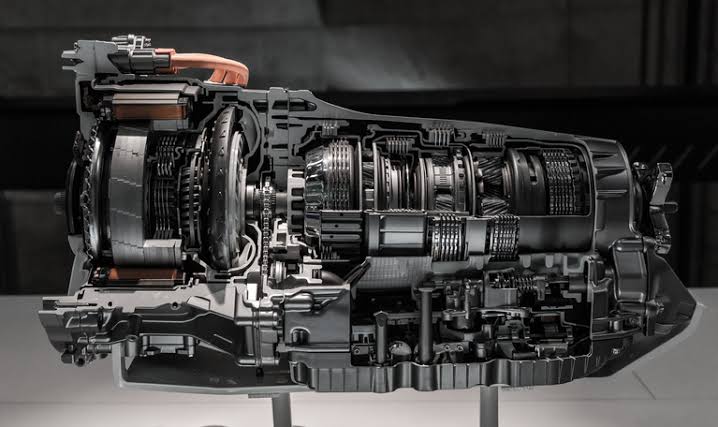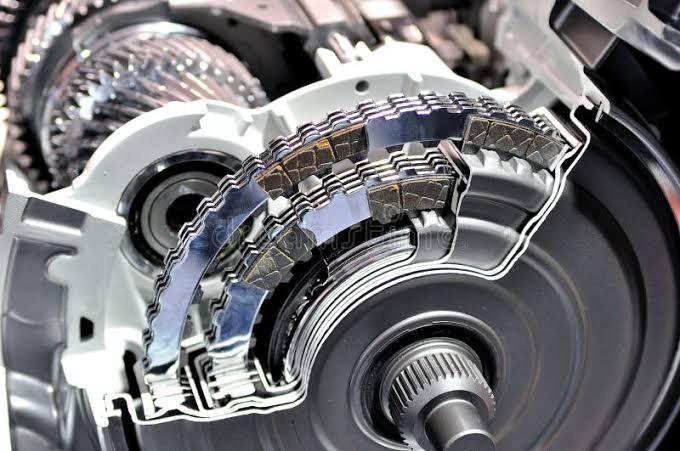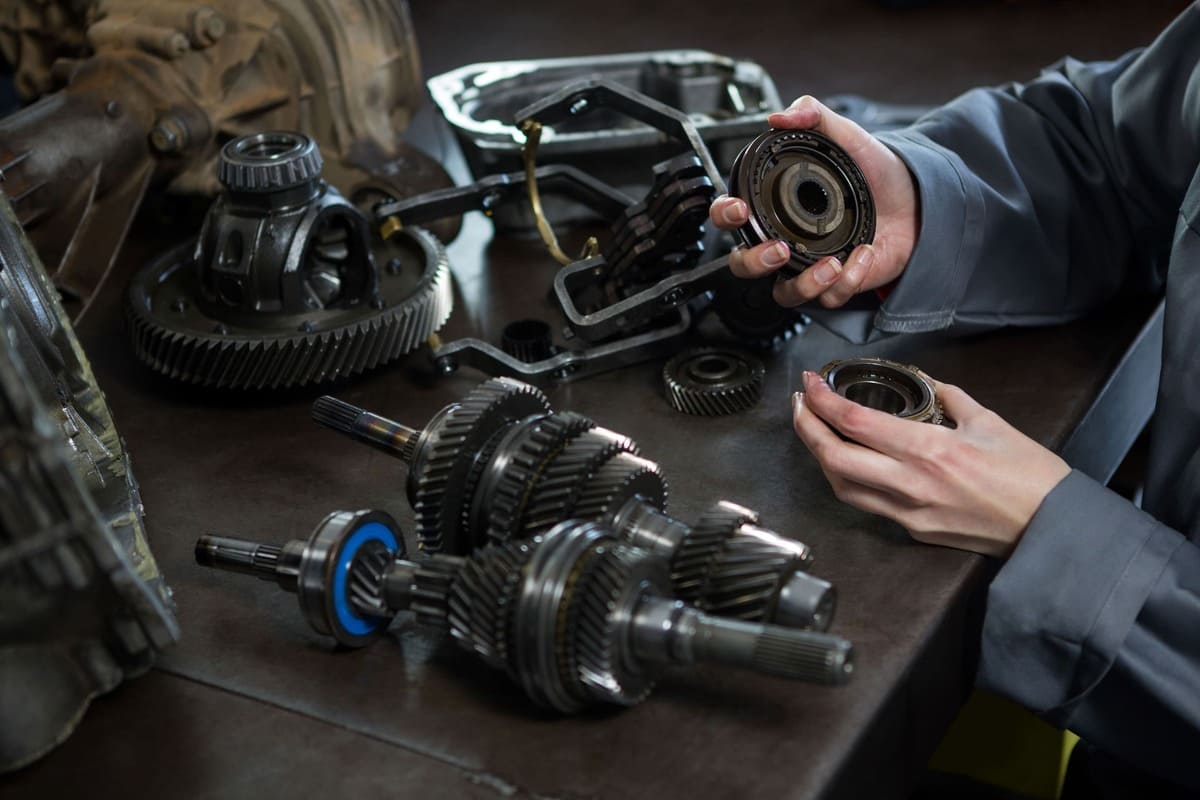
If your mechanic just told you the transmission is finished, the conversation that follows usually moves fast. You hear a price, you hear three words that sound almost identical, and you’re expected to pick one. Used, rebuilt, remanufactured. Which one won’t you regret?
The honest answer is that no single option wins every time. A low-mileage used OEM transmission can be the best money you ever spend on an eight-year-old commuter. That same unit might be the wrong call in a truck that tows a trailer every weekend. What matters is the car, the budget, and how long you plan to keep driving it.
This guide explains what each term really means, what you get for your money, and how to decide. We run a parts locator tied into a nationwide network of certified recyclers, so all three options come up in our conversations with customers every week. We’ll tell you where each one tends to make sense and where it doesn’t.
The short version
– A used transmission is a complete, original-equipment unit taken from another vehicle and sold without being opened up. It costs the least and usually has the shortest warranty.
– A rebuilt transmission has been taken apart, had its worn or broken parts replaced, and been put back together. Price and quality land in the middle, and they depend a lot on who did the work.
– A remanufactured transmission has been stripped down completely and brought back to a defined standard, with wear parts replaced and known weak points updated. It costs the most and usually comes with the strongest warranty.
The details below are where the real decision gets made.
What is a used transmission?

A used transmission, sometimes called a recycled or OEM used transmission, is a complete unit pulled out of a donor vehicle. The donor is often a car that was written off after a collision, or retired for reasons that had nothing to do with its drivetrain. The transmission gets inspected, drained and checked, and then sold as it came out. Nobody opens up the inside.
OEM stands for original equipment manufacturer. In plain terms, it’s the same part the carmaker fitted at the factory for your model, not an aftermarket copy built to look similar.
People choose used transmissions for three practical reasons: the price, the exact factory fit, and mileage. It’s common for a donor car to have far fewer miles than the vehicle receiving the transmission. Say your sedan has 190,000 miles and the replacement unit comes from a donor with 65,000. You’ve effectively reset a big chunk of the wear.
The tradeoff is uncertainty. Since the unit isn’t opened up, you’re relying on the donor’s mileage, the seller’s testing and the seller’s reputation. Warranties are generally shorter than on the other two options. That’s why where the transmission comes from matters more than the word ‘used’ itself. A unit from a certified recycler with documented mileage is a very different purchase from one a stranger pulled out of a car in a field.
If you’re searching for a used transmission with warranty, that’s the right instinct. Ask what the warranty covers before you pay, not after.
What is a rebuilt transmission?
A rebuilt transmission is one that has been removed, disassembled, inspected and put back together with the damaged or worn components replaced. Seals and gaskets are normally renewed. Beyond that, it depends on what the person doing the work found and decided to fix.
Rebuilding is often done by a local transmission shop on the unit that came out of your car, so you get your own transmission back. Some suppliers also sell rebuilt units ready to install.
When the failure is isolated, say a burned clutch pack or a failed solenoid, a good rebuild can be a sensible way to go. A shop that sees the same model often will know its common weak spots and address them.
The catch is that ‘rebuilt’ has no universal definition. One shop replaces every clutch and steel plate. Another swaps only what looks bad and leaves the rest. Both will write ‘rebuilt’ on the invoice. Two quotes can describe very different jobs at very different prices, so ask for an itemized list of what’s being replaced. If a shop can’t give you one, treat that as information.
What is a remanufactured transmission?
Remanufacturing follows a more structured process, usually in a dedicated facility rather than a general repair bay. The transmission is taken down to individual components and cleaned. Each part is measured against factory specifications. Wear items such as seals, gaskets, clutches, bands and friction plates are replaced whether or not they look worn, and anything that fails inspection is replaced too. Many remanufacturers also fix known design problems with updated parts. Finally, the finished unit is tested before it ships.
The result is consistency. You’re buying a unit built to a standard, not one shaped by a single technician’s judgment call, and the warranty tends to reflect that confidence.
The downsides are cost and logistics. Remanufactured units are the most expensive of the three. Many come with a core charge, which is a deposit you get back when you return your old transmission. Availability can also be limited for older or less common models, and for some newer designs such as certain CVTs.
Rebuilt vs. remanufactured transmission: what’s the real difference?
Here’s the simplest way to put it. A rebuild replaces what’s broken. A remanufacture replaces what wears out, and corrects known flaws, to a set specification.
In practice the two terms get used loosely, and neither is tightly regulated, so don’t rely on the label alone. Compare the paperwork instead. Four questions sort out most of it:
– Which parts were replaced, and can you see the list?
– Was the torque converter replaced, reconditioned or reused?
– Were any known design weaknesses updated?
– Does the warranty cover labor, or only the part?
A remanufactured unit from a reputable supplier will usually answer all four clearly. A rebuilt unit from a good local shop sometimes will too. A vague answer to any of them is a reason to keep shopping.
Used vs. rebuilt vs. remanufactured transmission cost
Pricing swings widely by vehicle, region and currency, so treat the following as a direction, not a quote. These ranges are for a typical car or crossover. Heavy-duty trucks, diesels and luxury or performance models run higher.
– Used OEM transmission: usually the lowest price, often from several hundred dollars to a couple of thousand.
– Rebuilt or remanufactured transmission: commonly double that or more, with many units landing somewhere between two and four thousand dollars or higher.
– Installation labor: often several hundred to over a thousand dollars, and broadly similar whichever type you choose.
That last point shapes the whole decision. Because labor costs about the same for all three, the real price difference between them is the part itself. And if the unit fails early and the warranty doesn’t cover labor, you pay for the installation a second time. A cheaper transmission with weak warranty terms can end up costing more than a pricier one with better coverage. That’s why any quote you compare should include labor and warranty terms, not just the part price.
Warranty: where the three really separate
Warranty length varies by seller, so read the actual terms. As a general pattern:
– Used transmissions often carry coverage from around 30 days up to a year, sometimes longer from certain suppliers.
– Rebuilt transmissions commonly come with one to three years.
– Remanufactured transmissions often come with two to three years or more, and some suppliers go beyond that.
Length is only half of it. Check whether the warranty covers parts only or parts and labor, whether it’s honored by any licensed shop or only specific ones, what maintenance records you need to keep (many require proof of a fluid and filter service or a cooler flush), and whether it transfers to the next owner. A warranty that pays for the part but not the labor is worth far less than it looks, since labor is the most expensive part of doing the job twice.
So which one is right for you?
Here are the situations we see most often, and how we’d think about each.
An older daily driver worth a few thousand dollars. A low-mileage used OEM transmission is usually the smartest spend. Putting a four-thousand-dollar remanufactured unit into a car worth four thousand rarely adds up, and a used unit with solid mileage will often carry you for years.
A car you plan to keep for five more years or longer. This is where remanufactured earns its price. You’re paying for fresh wear parts and a longer warranty on a vehicle you’ll still be driving long after a short used-unit warranty has run out.
A truck or SUV that tows or hauls. Hard use exposes weak points quickly. A remanufactured unit with updated parts is usually the safer bet here, though a verified low-mileage used unit can work if its history is documented.
A vehicle you’re about to sell. If you only need it to shift properly for another year or two, used is typically enough. Buyers care that the car drives well, not what’s inside the case.
A model with a known transmission weakness. A plain used unit of the same design can carry the same flaw. Ask whether the design was revised, whether a later-year unit is compatible, or whether a remanufactured version includes the fix. Some Nissan CVTs and Ford PowerShift units are well-known examples where this question matters.
A CVT or dual-clutch transmission. Options are narrower. Fewer shops rebuild them, and the supply of remanufactured units varies by model, so a quality used unit from a recycler is often the practical route. Verify the mileage and ask how it was tested.
If we had to give one rule, it would be this. For most vehicles older than eight to ten years, a low-mileage used OEM transmission from a reputable source gives the best value. For vehicles you’ll keep a long time or work hard, step up to remanufactured.
Questions to ask before you buy any transmission
Whichever type you choose, a few questions protect you:
– What’s the mileage on the donor vehicle, and is there documentation?
– Does the transmission code match mine, not just the year, make and model?
– How was it tested?
– What exactly does the warranty cover, and for how long?
– What’s the return policy if it doesn’t fit?
– Is there a core charge, and what are the return terms?
– What do shipping and freight cost, and where will it be delivered?
On fit, year, make and model aren’t enough. The engine, drivetrain (2WD, 4WD or AWD), gear ratio and mid-year production changes can all decide whether a transmission works in your car. Give the seller your VIN and let them confirm the match. That one step prevents a lot of returns.
Don’t skip the work around the transmission
The transmission is only part of the job. When one fails, it often sheds metal and friction material that circulate through the cooler and lines. If that debris isn’t cleared, it can damage the new unit within weeks. A good installation usually includes:
– Flushing or replacing the transmission cooler and lines
– Fresh fluid and a new filter
– A new or reconditioned torque converter where applicable
– A check of mounts and connectors
Any computer programming or adaptive relearn procedure your vehicle needs after a swap
Skipping these steps is one of the most common reasons a replacement transmission fails early, and some warranties won’t cover a failure if they were skipped. Ask your installer to put them in writing.